«Віра — від слухання»: як Церква продовжує апостольську місію у цифрову епоху
Апостол Павло інтернету не бачив — але він писав листи. Він користувався найдосконалішим засобом комунікації свого часу, щоб говорити з громадами, до яких не міг доїхати особисто. Сьогодні Церква робить те саме, лише іншими засобами: онлайн-записки, трансляції богослужінь, проповідь у соціальних мережах. Це не відхід від традиції — це її продовження. У статті ми говоримо про те, чому цифрові інструменти Церкви мають глибоке євангельське коріння і як вони допомагають людині почути слово Боже там, де вона є.
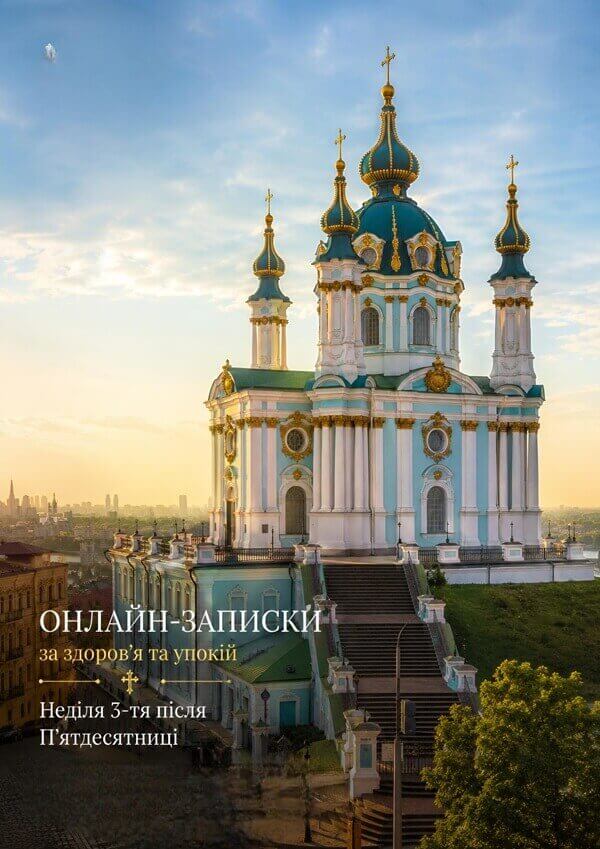
Послання апостола Павла, монастирські переписувачі, друкарський верстат і соціальні мережі — різні інструменти однієї й тієї ж місії, яку Христос довірив Своїй Церкві
Лист, який не міг чекати
Коли апостол Павло перебував в ув’язненні в Римі й не міг особисто відвідати громаду у Филипах, він не мовчав. Він писав. «Радійте завжди в Господі! Знову кажу: радійте!» (Флп. 4:4) — ці слова дійшли до людей не через особисту присутність апостола, а через папірус, чорнило та руки тих, хто переписував і поширював послання.
Святий Павло використав найшвидший і найнадійніший спосіб комунікації, доступний у I столітті, щоб слово Боже досягло тих, кого він любив, але до кого не міг дійти ногами.
Це важливо зрозуміти, перш ніж говорити про сучасні цифрові інструменти Церкви.
Бо Євангеліє ніколи не було прив’язане до конкретного засобу передачі. Воно було прив’язане до Особи Христа і до місії донести Його слово до кожного серця, яке готове його прийняти.
«Віра — від слухання»
Апостол Павло писав римлянам слова, які сьогодні звучать як пророцтво про цифрову епоху: «Віра — від слухання, а слухання — через слово Христове» (Рим. 10:17).
Зверніть увагу: не від бачення храму. Не від присутності в конкретній географічній точці. А від почутого слова.
Сьогодні мільйони людей чують слово Христове не лише з амвона, а й через екран телефону — у короткому відео, у трансляції недільної проповіді, у тексті, який хтось переслав другові в найважчий момент його життя.
Господь у притчі про сіяча сказав, що насіння падає на різний ґрунт — на дорогу, на каміння, серед тернів і на добру землю (Мт. 13:3–8). Сіяч не обирає, куди впаде кожне зерно — він сіє щедро, по всьому полю.
Цифровий простір — це теж поле. Величезне, неоднорідне, часом каменисте. Але серед мільйонів стрічок і повідомлень є серця, готові прийняти слово. І Церква не має права не сіяти туди, де є хоча б шанс доброго врожаю.
«Де двоє чи троє зібрані в ім’я Моє»
Один із найчастіших закидів щодо онлайн-трансляцій богослужінь звучить так: хіба може людина перед екраном дійсно молитися разом із громадою?
Відповідь Церкви чесна й без перебільшень: екран не замінює храму. Жодна трансляція не дає благодаті церковних Таїнств, і насамперед — Святого Причастя, яке вимагає реальної, тілесної присутності людини в храмі.
Але Христос також сказав: «Бо де двоє чи троє зібрані в ім’я Моє, там Я серед них» (Мт. 18:20).
Військовий на передовій, який у перерві між бойовими завданнями чує знайомі слова Літургії з телефону. Мати, яка виховує дітей сама, поки чоловік боронить країну, і встигає молитовно долучитися до служби лише через трансляцію. Літня людина, яка фізично вже не може дійти до храму, але щонеділі вмикає прямий ефір і хреститься перед екраном, як перед іконою.
Це не заміна храму. Це міст до храму для тих, хто з об’єктивних причин не може його перейти ногами просто зараз.
Самарянка біля криниці: Бог зустрічає людину там, де вона є
В Євангелії від Івана є один із найважливіших епізодів для розуміння місії Церкви — розмова Христа із самарянкою біля колодязя Якова (Ів. 4:1–30).
Христос не чекав, поки самарянка прийде в Єрусалимський храм. Він Сам прийшов туди, де вона була — до криниці, у найзвичайнішу мить її буденного життя, коли вона просто прийшла по воду.
І саме там пролунали слова, які змінили її життя: «Хто питиме воду, що Я йому дам, не матиме спраги повік» (Ів. 4:14).
Це принцип, який Церква намагається втілювати й сьогодні. Не чекати пасивно, поки людина сама знайде дорогу до храму через всі сумніви, страх чи незнання. А виходити туди, де людина вже є — у Telegram, Facebook, YouTube, — і пропонувати їй ту саму живу воду, яку дві тисячі років тому отримала самарянка.
Не тому, що Євангеліє потребує реклами. А тому, що кожна людина заслуговує на шанс почути про Христа мовою свого часу.
Записка, написана з вірою
Коли людина подає записку — паперову в храмі чи онлайн через офіційний сайт парафії, — вона чинить дуже давній і дуже простий духовний акт: довіряє ім’я близької людини Богові й просить молитовної підтримки Церкви.
За кожним таким іменем стоїть доля. Воїн на передовій. Хворий у лікарняному ліжку. Покійний родич, якого родина просить пом’янути. Дитина, за яку моляться батьки.
Господь у притчі про загублену вівцю каже, що пастир залишає дев’яносто дев’ять овець, щоб піти шукати одну загублену, — і коли знаходить її, радіє більше, ніж за тих, що не загублялися (Лк. 15:4–7).
Кожна онлайн-записка — це теж своєрідний пошук: спосіб, у який людина, що, можливо, фізично далеко від рідної парафії — за кордоном, на фронті, у відрядженні, — все одно тягнеться назад до Церкви. І Церква не повинна закривати перед нею двері лише тому, що відстань стала технічною перешкодою.
Сила тут — не в кнопці на екрані. Сила — у молитві та довірі до Бога, які стоять за нею.
Свічка, яку не можна звести до символу на екрані
Особливої уваги заслуговує тема так званих онлайн-свічок. Тут Церква має говорити чесно й без спрощень.
Свічка в православній традиції — це не просто ритуальний предмет. Це образ людської жертви: людина віддає частину своєї праці й коштів, запалює живий вогонь і стоїть перед іконою, фізично присутня в момент молитви.
Цифровий інструмент ніколи не повинен видаватися за повноцінний заміннику цього досвіду. Він може бути лише приводом, нагадуванням, способом висловити намір молитися — але справжня свічка горить там, де є реальний вогонь, реальний храм, реальна людина перед іконою.
Церква використовує цифрові засоби чесно: не для того, щоб зробити віру «зручнішою» чи перетворити духовне життя на серію кліків, а для того, щоб допомогти людині, яка з об’єктивних причин не може зараз бути в храмі фізично, не втратити живий зв’язок із Церквою.
Пам’ять, яку не можна втратити
Окремої уваги заслуговує робота з оцифруванням церковної спадщини — стародруків, архівних документів, рукописів, історичних світлин, записів богослужінь.
У час, коли ворог цілеспрямовано знищує українську культурну й духовну спадщину, оцифрування — це не просто технічний процес. Це акт збереження пам’яті.
Христос казав: «Я є воскресіння й життя» (Ів. 11:25) — і Церква вірить, що ніщо справді цінне не зникає безслідно перед Богом. Але обов’язок людей, які служать Церкві сьогодні, — подбати, щоб духовна й історична спадщина дійшла до наступних поколінь у формі, яку неможливо буде знищити жодним обстрілом.
Незмінна місія, нові інструменти
Дві тисячі років Церква йде за словами Христа: «Ідіть і навчіть усі народи, хрестячи їх в ім’я Отця, і Сина, і Святого Духа» (Мт. 28:19).
Апостоли йшли пішки й пливли кораблями. Ченці переписували Святе Письмо при свічці. Першодрукарі розповсюджували Слово Боже через верстати. Місіонери XX століття виходили на радіохвилі.
Сьогодні Церква виходить у цифровий простір — не тому, що змінилося Євангеліє, а тому, що змінився світ, у якому живе людина.
Інструмент завжди був і залишається другорядним. Головне — Той, про Кого свідчить Церква, і людина, яку вона прагне зустріти там, де та насправді перебуває: у Києві чи в Тернополі, на передовій чи в еміграції, у лікарняній палаті чи вдома перед екраном телефону.
Церква молиться разом із нею. І двері Дому Божого залишаються відкритими завжди.
«Faith Comes by Hearing»: How the Church Continues Its Apostolic Mission in the Digital Age
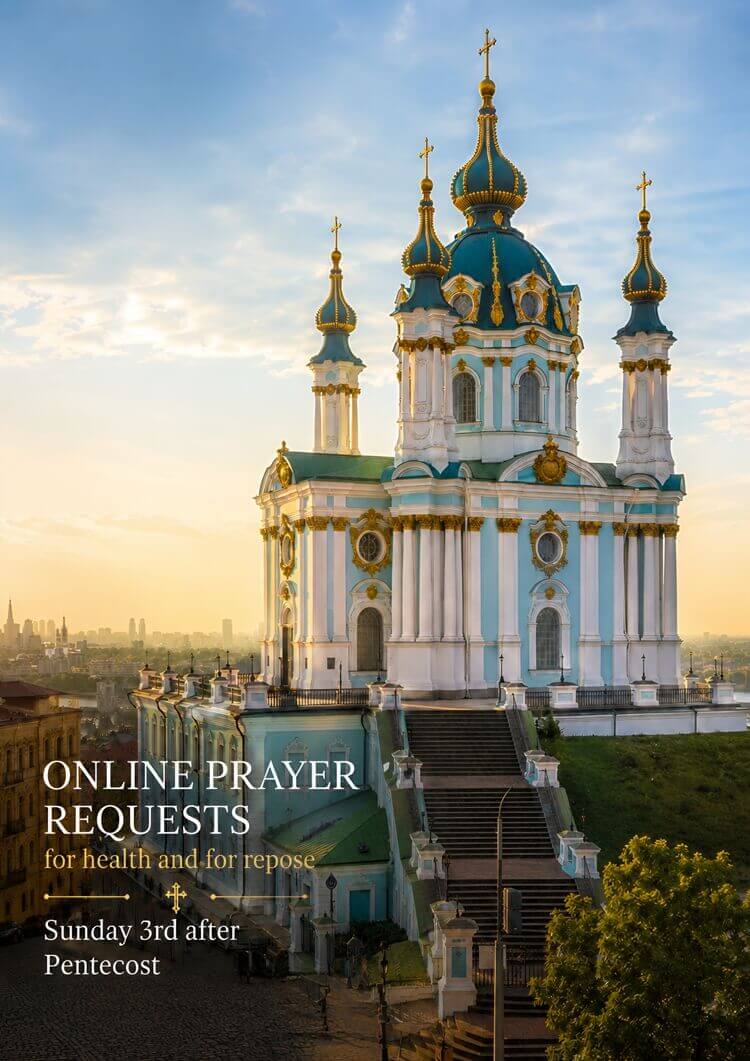
Prayer requests for health and repose in the Orthodox Church of Ukraine
The Apostle Paul never saw the internet — but he wrote letters. He used the fastest, most advanced means of communication available in the first century to reach communities he could not visit in person. Today the Orthodox Church of Ukraine does much the same, only with different tools: online prayer requests, live-streamed services, and a pastoral presence on social media. This is not a departure from tradition — it is its continuation. This article explores why the Church’s digital tools have deep roots in the Gospel itself, and how they help people hear the word of God wherever they happen to be.
From the Apostle Paul’s letters to monastic scribes, from the printing press to live-streamed liturgies — different tools in service of the same mission Christ entrusted to His Church
A Letter That Could Not Wait
When the Apostle Paul was under house arrest in Rome and unable to visit the church in Philippi in person, he did not stay silent. He wrote. «Rejoice in the Lord always: and again I say, Rejoice» (Philippians 4:4) — words that reached their hearers not through Paul’s physical presence, but through papyrus, ink, and the hands of those who copied and carried his letters across the empire.
Paul used the fastest and most reliable form of communication available to him so that the word of God could reach people he loved but could not walk to.
This is worth remembering before we speak about the Church’s modern digital tools.
The Gospel has never been tied to any particular medium. It has been tied to the Person of Christ, and to the mission of carrying His word to every heart prepared to receive it.
Faith Comes by Hearing
Paul wrote to the Romans a line that, read today, sounds almost like a prophecy about the digital age: «So then faith cometh by hearing, and hearing by the word of God» (Romans 10:17).
Notice what is not said. Not from seeing a church building. Not from standing in a particular place. From hearing.
Today, millions of people hear the word of Christ not only from the pulpit, but through a phone screen — in a short video, in a livestreamed Sunday homily, in a message a friend sent at the hardest moment of their life.
Christ Himself described this dynamic in the parable of the sower: seed falls on different ground — on the path, on rocky soil, among thorns, and on good soil (Matthew 13:3–8). The sower does not choose where each seed lands; he sows generously, across the whole field.
Digital space is a field too — vast, uneven, often stony. But among the millions of posts and messages are hearts ready to receive the word. The Church has no right to withhold the seed simply because the field looks unfamiliar.
«Where Two or Three Are Gathered»
One of the most common objections to live-streamed services is simple and fair: can someone watching a screen really be said to pray together with the congregation?
The Church’s honest answer is this: a screen does not replace a church. No livestream conveys the grace of the sacraments, and above all, no livestream can substitute for the Eucharist, which requires a person’s real, bodily presence in the temple.
But Christ also said: «For where two or three are gathered together in my name, there am I in the midst of them» (Matthew 18:20).
A soldier on the front line who, in a break between missions, hears the familiar words of the Liturgy on his phone. A mother raising her children alone while her husband defends the country, joining the service the only way she can — through a livestream. An elderly parishioner who can no longer walk to church but who, every Sunday, opens the broadcast and makes the sign of the cross before the screen as she once did before the icon.
This is not a substitute for the church. It is a bridge to the church for those who, for reasons beyond their control, cannot cross that distance on foot right now.
The Woman at the Well
The Gospel of John records one of the clearest illustrations of the Church’s mission: Christ’s conversation with the Samaritan woman at Jacob’s well (John 4:1–30).
Christ did not wait for her to come to the Temple in Jerusalem. He went to where she already was — to an ordinary well, in an ordinary moment of her daily life, as she came to draw water.
And it was there, in that unremarkable place, that He spoke the words that changed her life: «Whosoever drinketh of the water that I shall give him shall never thirst» (John 4:14).
This is the principle the Church tries to live out today. Not waiting passively for people to find their own way to a church building through all their doubts and uncertainty, but going to where people already are — on Telegram, Facebook, YouTube — and offering them the same living water the Samaritan woman received two thousand years ago.
Not because the Gospel needs marketing. But because every person deserves a chance to hear about Christ in the language of their own time.
A Note Written in Faith
When someone submits a prayer request — whether on paper at the church or online through an official parish website — they are performing a very old and very simple act of faith: entrusting the name of someone they love to God, and asking for the Church’s prayerful support.
Behind every name is a story. A soldier at the front. A patient in a hospital bed. A relative who has passed and whom a family asks to be remembered. A child for whom parents are praying.
In the parable of the lost sheep, Christ says the shepherd leaves the ninety-nine to search for the one that is lost — and rejoices more over finding it than over the ninety-nine that never strayed (Luke 15:4–7).
Every online prayer request is, in its own way, a search like this: a way for someone who may be physically far from their home parish — abroad, at the front, away on deployment — to still reach back toward the Church. The Church should not close its doors simply because distance has become a technical obstacle.
What matters here is not the button on a screen. What matters is the prayer and the trust in God behind it.
A Candle That Cannot Be Reduced to a Symbol on a Screen
The question of so-called «online candles» deserves particular honesty. In Orthodox tradition, a candle is not merely a ritual object. It is an image of human sacrifice: a person gives something of their own labor and means, lights a real flame, and stands physically before an icon in that moment of prayer.
A digital tool should never be presented as a full substitute for that experience. At best, it can serve as a reminder or an expression of intent to pray — but the real candle burns where there is real fire, a real church, and a real person standing before the icon.
The Church uses digital tools honestly: not to make faith more «convenient» or to turn spiritual life into a series of clicks, but to help people who, for genuine reasons, cannot be physically present in church right now stay connected to it all the same.
Memory That Must Not Be Lost
Particular attention should be paid to the digitization of the Church’s heritage — early printed books, archival documents, manuscripts, historical photographs, and recordings of services.
At a time when an aggressor is deliberately targeting Ukraine’s cultural and spiritual heritage for destruction, digitization is not merely a technical process. It is an act of preserving memory.
Christ said, «I am the resurrection, and the life» (John 11:25), and the Church believes that nothing of true value is ever lost before God. But it remains the responsibility of those who serve the Church today to ensure that its spiritual and historical legacy reaches future generations in a form no shelling can destroy.
An Unchanging Mission, New Tools
For two thousand years, the Church has followed Christ’s words: «Go ye therefore, and teach all nations, baptizing them in the name of the Father, and of the Son, and of the Holy Ghost» (Matthew 28:19).
The apostles traveled on foot and by ship. Monks copied Scripture by candlelight. Early printers spread the word through the printing press. Twentieth-century missionaries reached people over the radio.
Today the Church steps into digital space — not because the Gospel has changed, but because the world in which people live has changed.
The tool has always been secondary. What matters is the One the Church bears witness to, and the person the Church seeks to meet wherever they truly are: in Kyiv or in Ternopil, at the front or in emigration, in a hospital room or at home, in front of a phone screen.
The Church prays alongside them. And the doors of God’s house remain open, always.